IT/Saas
SaaS Security Is the New Perimeter
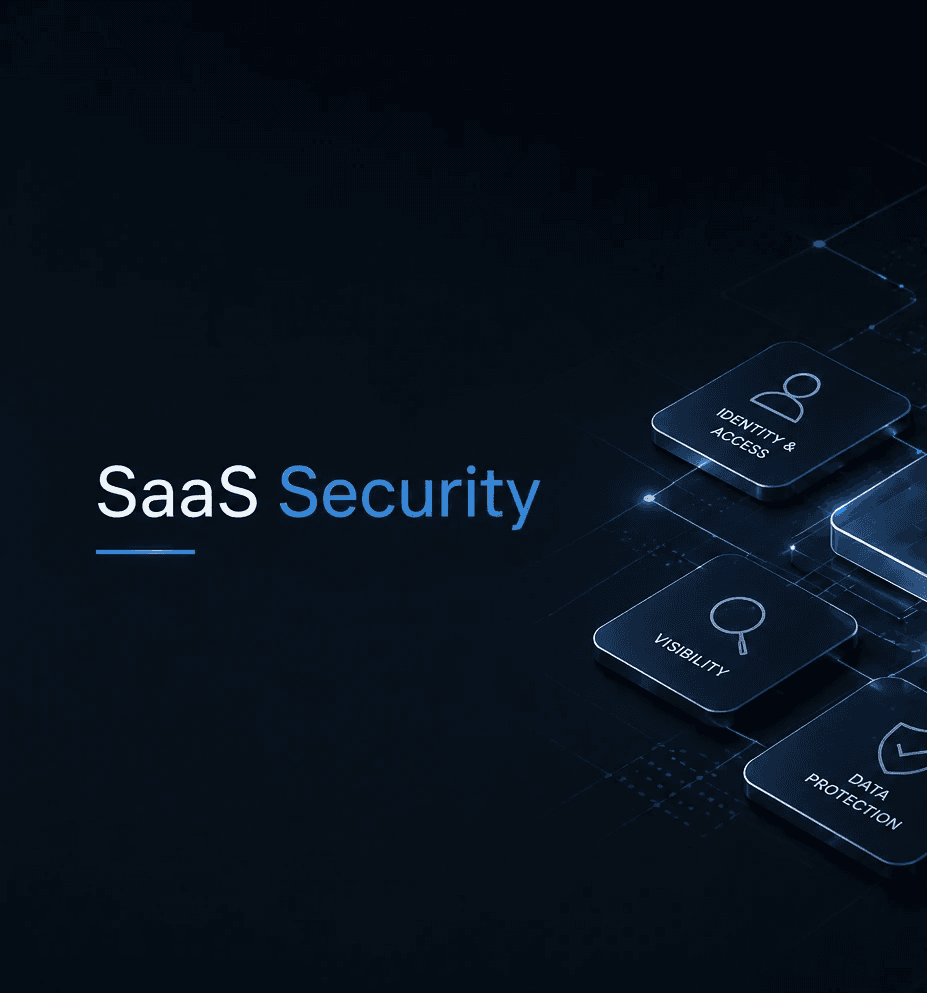
For years, security was built around the network. Firewalls, VPNs, and on-prem systems defined the boundary, and anything inside that boundary was generally considered trusted. That model made sense when infrastructure was centralized and users operated within a defined environment.
That model no longer holds.
Today, most critical business data lives in SaaS platforms like Microsoft 365, HR systems, financial tools, and project platforms, all accessible from anywhere. Users connect from different devices, different locations, and often outside of any traditional network control. The perimeter that once defined security has effectively disappeared.
Where organizations struggle is in recognizing how much the risk has shifted. Many environments are still heavily focused on network security, investing in firewalls, VPNs, and infrastructure controls, while the actual data that drives the business sits in SaaS applications with far less oversight. The assumption is that if the network is secure, the environment is secure, but that’s no longer the case.
SaaS platforms now store some of the most sensitive information within an organization, financial data, employee records, client information, and critical project data. And unlike traditional systems, they are accessed directly over the internet, often without the same level of control, visibility, or enforcement. That creates a different kind of exposure, one that isn’t tied to the network, but to identity, access, and how data is used.
The gaps in these environments are usually easy to identify once you start looking. Access control is often too broad, with users having more permissions than they need or accounts being shared across teams. Visibility is limited, making it difficult to understand who is accessing what and when. Multi-factor authentication may exist, but it’s not always enforced consistently across all platforms, leaving openings that can be exploited.
Third-party integrations introduce another layer of risk. SaaS tools make it easy to connect external applications, but those integrations often receive broad access to data without proper review or ongoing management. Over time, organizations accumulate a large number of connected apps, many of which are no longer actively monitored. At the same time, data exposure becomes a concern, with files and sensitive information being shared externally without clear controls or visibility.
These aren’t edge cases, they’re common patterns across organizations of all sizes. Individually, they may seem manageable, but together they create real risk, especially in environments that have grown quickly or adopted SaaS tools organically.
This is why the focus is shifting. Security is no longer just about protecting the network, it’s about controlling identity, managing access, and maintaining visibility into how data is being used. Both security frameworks and cyber insurers are now evaluating environments through this lens, because SaaS has become a primary attack surface.
The bottom line is simple. Security isn’t defined by your firewall anymore. It’s defined by how well you control access to your data, how clearly you understand its usage, and how consistently you enforce policies across your environment.
SaaS isn’t part of the perimeter, it is the perimeter.
We’re always available to provide direction when it matters.