AI Governance
Your AI Policy Isn’t Protecting Your Organization
AI is already inside your company, not because leadership approved it, but because employees are using tools like ChatGPT and Claude to move faster, write better, and solve problems in minutes instead of hours. That’s not the issue, it’s actually a strong signal. It means your team is motivated, resourceful, and looking for ways to be more efficient. The problem isn’t adoption, it’s control.
Most organizations respond the same way. They recognize the risk, roll out an AI policy, send a communication, maybe hold a short training session, and assume that’s enough to manage it. On paper, it looks like governance. In reality, it creates a false sense of security. A policy defines expectations, but it doesn’t enforce behavior, and it doesn’t provide visibility into what’s actually happening across the organization.
Meanwhile, employees continue using AI tools in the background. They’re pasting internal emails, financial data, job details, and sometimes even customer information into these platforms. Not maliciously, just trying to do their jobs better and faster. But the moment that data leaves your environment, you lose control over it. Most users don’t fully understand how these platforms handle data, whether it’s retained, used for training, or stored in ways that fall outside your organization’s policies.
Leadership often assumes that if expectations are clearly communicated, behavior will follow. But that’s not governance, that’s hope. Without enforcement or technical controls, usage continues to grow unchecked. Over time, sensitive data can quietly spread outside your environment without anyone realizing it, creating risk that isn’t visible until it becomes a problem.
The gap most companies face isn’t awareness, it’s execution. They know AI introduces risk, but they haven’t built the structure to manage it. Policies are created, guidelines are shared, but there’s no system behind them. Shadow AI usage expands, risks compound, and the organization has no clear way to measure, control, or even understand what’s happening.
True AI governance isn’t a document, it’s an operating model. It requires multiple layers working together. That starts with defining approved tools that meet your security and data protection standards. It includes setting clear, practical data boundaries that employees can realistically follow in their day-to-day work. But most importantly, it requires technical safeguards that enforce those boundaries.
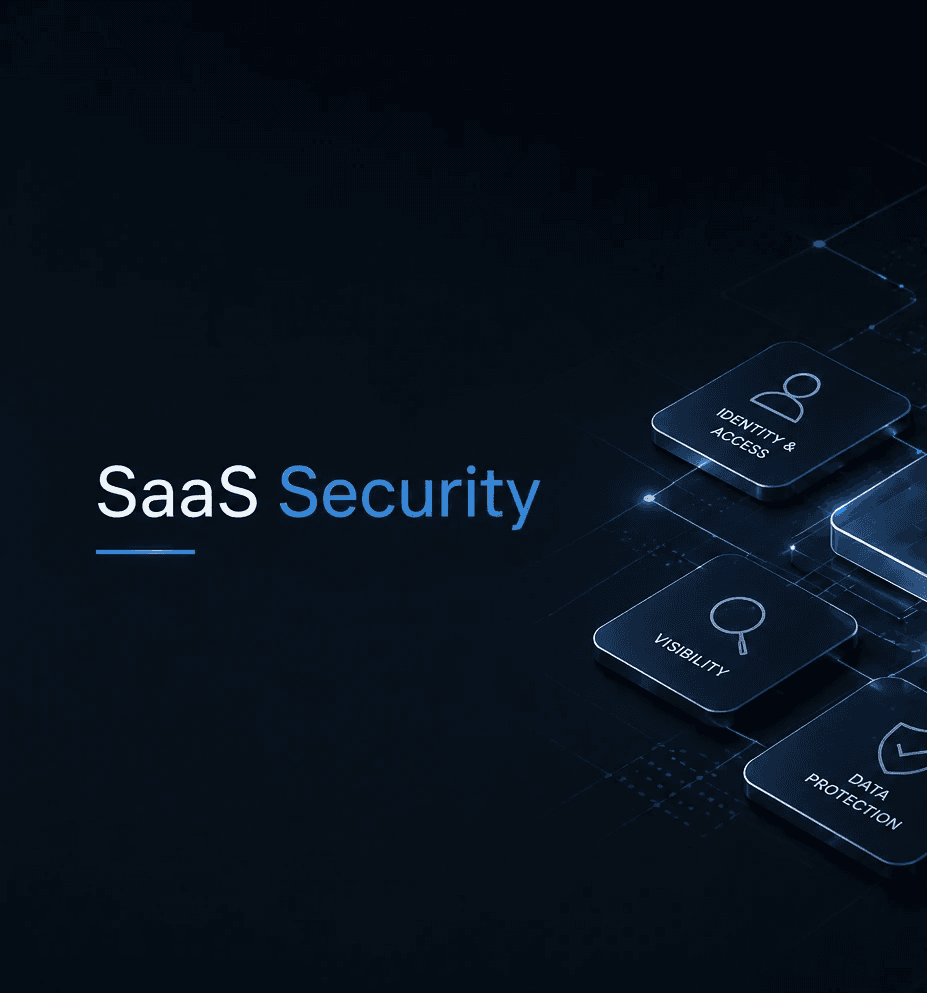
That means having visibility into AI usage across your environment, understanding which tools are being used, by who, and for what purpose. It means applying identity-based access controls so usage is tied to individuals, not just devices. It includes SaaS monitoring to track integrations and data movement, and data protection controls that reduce the risk of sensitive information being exposed, without relying entirely on user behavior.
Training also plays a role, but it has to evolve. AI tools are changing rapidly, and static training becomes outdated almost immediately. Governance needs to be continuous, not a one-time rollout. It should adapt as new tools emerge and as usage patterns shift across the organization.
What many organizations don’t realize is that even when they understand the risk, they’re still missing the tools to address it. Effective AI governance spans multiple areas, identity, security, SaaS visibility, and data protection. Without the right combination of controls, there will always be blind spots.
That’s where the real gap exists.
At Shift Tier, the focus is on closing that gap, turning policies into working systems. That means implementing the layers that provide real control, visibility, and enforcement, without slowing down the business. The goal isn’t to block AI, it’s to enable it the right way, so teams can move fast without putting the organization at risk.
AI isn’t slowing down, and your employees aren’t going to stop using it. The real question is whether your organization is operating with control, or simply hoping nothing goes wrong.
If you’re serious about safeguarding your data and enabling AI the right way, we’re always available to provide direction when it matters.